Live Band for Corporate Events That Gets Results
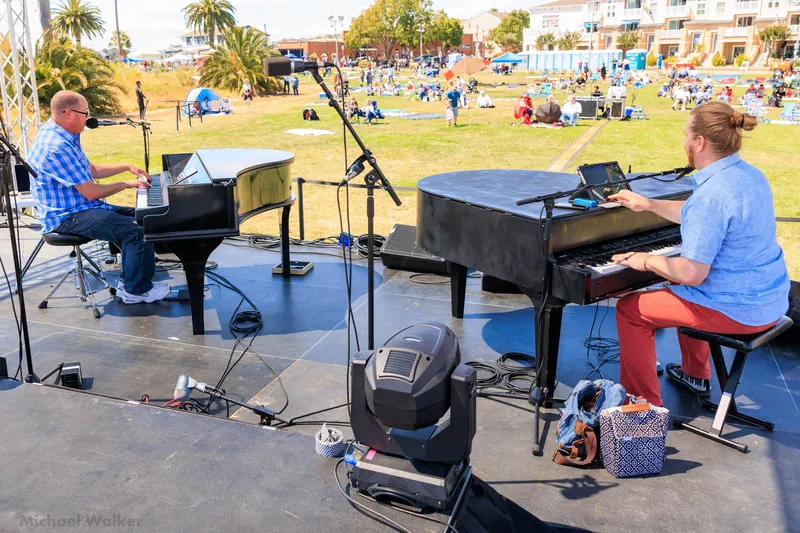
A corporate event can have a beautiful venue, great food, and a packed guest list, then lose momentum the second dinner ends. The right live band for corporate events changes that. Instead of asking guests to watch from their tables, it gives them a reason to sing, make requests, laugh with coworkers, and stay for the part of the night they will talk about on Monday.
For planners, that difference is huge. Entertainment is not just a line item near the bottom of the run of show. It sets the energy in the room, supports the purpose of the event, and can turn a standard company gathering into a real shared experience.
Why a Live Band for Corporate Events Has to Engage
Corporate crowds are rarely one-size-fits-all. Your room may include longtime employees, new hires, executives, clients, partners, and spouses. Some guests want classic rock. Some know every 2000s pop chorus. Others are waiting for country, Motown, hip-hop, or the one throwback song that gets their whole table on the dance floor.
That is why a fixed setlist can be a gamble. A talented band may sound excellent, but if it plays only what it planned before walking into the venue, it can miss the mood of the actual crowd. A cocktail-hour crowd needs something different from a post-awards crowd. A client appreciation dinner calls for a different build than an employee holiday party that is ready to let loose.
The best entertainment reads the room and responds. Guests should feel like the show belongs to them, not like they are sitting through someone else’s playlist.
Requests Turn Attendees Into Participants
An interactive act creates small moments all night long. Someone submits a favorite song. Their department sings the opening line louder than anyone expected. A senior leader gets pulled into a familiar chorus. Suddenly, people from different teams have something immediate to share.
That kind of participation matters because corporate events can carry a little social friction. Not everyone knows one another. Not everyone wants to be first on the dance floor. Song requests give people an easy entry point. Guests can participate from their seats, around the bar, or right up front without feeling pressured.
Dueling pianos are built for this. Two skilled performers can move from Elton John to Beyoncé, from country anthems to rock sing-alongs, based on what the audience asks for. The energy stays high because the crowd is helping drive the night.
Choose the Entertainment Format That Fits Your Goal
Not every corporate event needs the same type of music. The right choice depends on the purpose of the gathering, the venue setup, and what you want guests doing when the program is over.
For a formal awards dinner, a live act can begin with polished, lower-key music while guests arrive and eat. Once awards and speeches are finished, the performers can raise the energy with requests, sing-alongs, and songs everyone knows. This gives the event a natural arc instead of making the shift from banquet dinner to party feel abrupt.
For an employee appreciation event, the priority is usually connection. A request-driven show works especially well because it gives every department a chance to hear something they love. It feels personal without requiring the planner to build a long, impossible-to-please playlist in advance.
For conferences and sales meetings, entertainment needs to reset the room. After a full day of presentations, guests do not need another passive experience. They need a release. A high-energy piano show gives them a reason to stay through the evening reception, mingle beyond their usual circles, and enjoy the destination or host city together.
Client events call for a little more balance. You want the room to feel exciting, but you also need people to talk. The answer is not always a louder band. It is a professional act that understands pacing, knows when to let conversation breathe, and knows when to bring the room together for a big finish.
What Makes Dueling Pianos Different From a Standard Band
A traditional band can be a great choice when you want a specific musical style. If your event is built around a jazz cocktail feel, a tribute act, or a particular genre, a specialized group may be exactly right.
But when your audience covers multiple generations and musical tastes, versatility wins. A dueling-piano show is not locked into one era or sound. It is a live, fast-moving party built around recognizable songs and real-time audience input.
The performers are also hosts. They know how to call for requests, build anticipation, encourage a group chorus, and keep a song moving when the room is ready for the next one. That is a major advantage over background music that simply fills silence.
Modern Dueling Pianos brings that full-show mindset to corporate events across the United States. The goal is simple: play what your guests want to hear and make the entire room feel included.
Plan for the Room, Not Just the Stage
Great entertainment starts with a great booking, but it also needs a smart setup. Before choosing a live act, look at how your guests will use the space. A show placed too far from the main gathering area can feel disconnected. A stage pushed against the bar can create a bottleneck. A dance floor that is hidden behind banquet tables may stay empty even if the music is fantastic.
Ask where guests will naturally gather after dinner or after the program. That is where the entertainment should pull focus. If the venue has a separate reception room, decide whether you want the music there from the start or if you want a clear transition that invites everyone into the next phase of the event.
Sound matters, too. Professional equipment should be powerful enough to create a party, clear enough for every lyric to land, and managed at a level that fits the room. A seasoned entertainment partner will ask about guest count, venue access, stage dimensions, power, loading, and the event timeline before show day. Those questions are a sign of professionalism, not complication.
Give the Show Room to Build
One common mistake is scheduling the live act for a short window after a very long dinner. By the time speeches run over, dessert is served, and guests make their way back from the bar, the entertainment has barely started.
Build enough time for the show to find its rhythm. Two hours can create a strong, focused party. A longer set may make more sense for a holiday celebration, gala, or all-company event where guests are expected to stay late. It depends on your agenda, but the key is to protect the entertainment window from avoidable delays.
Also think about the transition. Have your emcee, event host, or company leader make a direct invitation: the show is starting, requests are open, and this is the moment to join in. A clear cue gets people moving faster than hoping they notice the music from across the room.
Questions to Ask Before You Book
When evaluating a live band for a corporate event, look beyond a highlight reel. A great promo video shows talent. A great planning conversation shows whether the act can deliver under real event conditions.
Ask how the performers handle requests and whether the repertoire reaches across decades and genres. Ask what sound and production equipment are included, who manages setup and teardown, and how early the team arrives. Confirm whether the performers are comfortable adapting to awards, announcements, sponsor recognition, and schedule changes.
You should also ask about crowd interaction. Some planners want a big, rowdy sing-along. Others want a polished show with participation that stays appropriate for clients and senior leadership. There is room for both. The right performers adjust their style without losing the spark that makes live entertainment memorable.
Finally, be honest about your crowd. If the group is reserved, tell the act. If your company has a tradition of going all out at the holiday party, tell them that, too. The more context performers have, the better they can shape the night around your people.
Make the Music Part of the Event Plan
The strongest corporate events do not treat entertainment as an afterthought. They use it to support the feeling they want guests to take home: appreciated, energized, connected, and glad they came.
Let the music carry your event past the final speech. Give your guests a song to claim, a chorus to shout, and a reason to stay just a little longer. That is how a corporate gathering becomes the party everyone wants to attend next year.