Audience Participation Live Music That Fills the Room
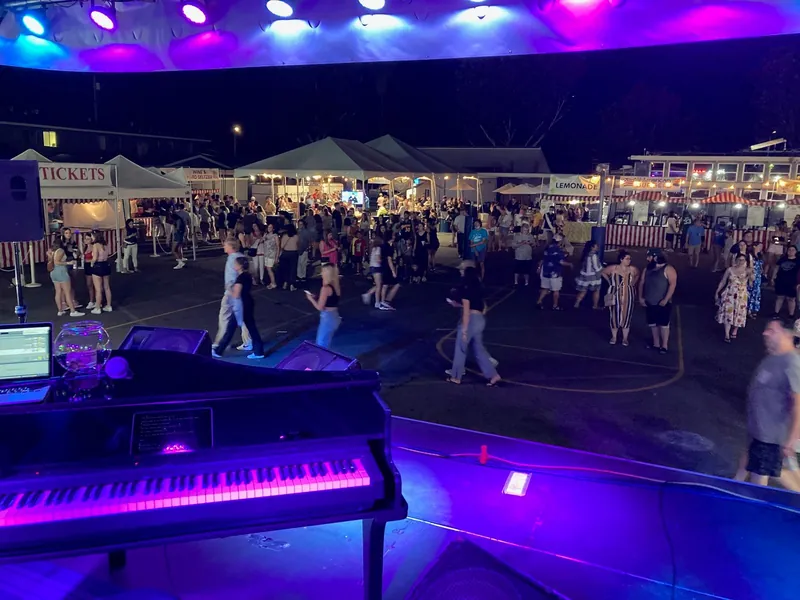
The room changes the second someone hears their song. A guest who planned to stay seated starts singing. A table that barely knew each other is suddenly clapping in time. Audience participation live music creates those moments because guests are not just watching the entertainment - they are helping build it.
For planners, couples, and hosts, that difference matters. A playlist can fill quiet space. A great live act can fill a dance floor. But a request-driven, interactive performance gives people a reason to look up from their conversations, join in, and remember the event as something they were part of.
Why Audience Participation Live Music Works
The strongest events give guests something to share. That does not always mean putting everyone on a dance floor at once. It means creating an atmosphere where guests feel welcome to react, request, sing, laugh, and celebrate together.
Interactive live music works especially well because it meets a room where it is. A corporate crowd may start cautiously, then come alive when a familiar throwback hits. A wedding reception may move from romantic singalongs to full-volume party anthems in minutes. A festival audience may want big choruses and fast momentum. The performers read the energy and respond in real time.
That flexibility is what separates a real show from background entertainment. When guests can request the songs they love, the music reflects the people in the room. One group may cheer for country classics. Another may demand 90s pop, rock favorites, Motown, hip-hop, or the song everybody knows every word to. The best show does not force a preset playlist on the crowd. It gives the crowd a voice.
Requests Turn a Performance Into a Shared Experience
Request-driven dueling pianos are built for participation. Guests submit songs, performers call out the crowd, and the music keeps moving based on what is landing right now. Two skilled pianists can trade verses, build friendly musical battles, turn a single request into a huge group singalong, and keep the pace high without losing the room.
The format is powerful because it gives different types of guests a way in. The outgoing guest can shout out a request or lead a chorus. The quieter guest can smile when their favorite song starts and sing along from their seat. Coworkers, relatives, clients, and friends do not need the same musical taste to enjoy the same show. They simply need a song that connects.
There is also an element of surprise. A guest may request a song as a joke, a tribute, a team anthem, or a memory shared by the group. When the performers bring it to life, it becomes a moment that could not have happened at any other event. That is the kind of entertainment people bring up the next morning and keep talking about long after the final song.
Plan Participation Without Making Guests Feel Pressured
Great interaction should feel inviting, never forced. The goal is not to put reluctant people on the spot. It is to create easy openings for participation, so guests can join at their own comfort level.
Start with the event itself. At a wedding, requests can honor the couple's story, bring generations together, and turn the reception into a full-on celebration. At a corporate event, requests can reinforce team spirit, celebrate milestones, or give employees a chance to let loose after a day of meetings. For fundraisers and galas, the right performance can lift the energy between formal program moments and keep guests engaged late into the evening.
Communicate the format before the event begins. A simple mention in the invitation, event agenda, or welcome announcement lets guests know they can bring their favorite songs to the party. If there are must-play songs, songs to avoid, or a special dedication planned, share those details with the performers early. That gives the show a personal foundation while leaving plenty of room for the crowd to steer the night.
Room setup matters, too. The audience needs to see the performers and feel connected to the action. Place the piano setup where it has a clear sightline from dining tables, the bar, and the dance area. If guests are spread across multiple rooms or seated behind tall centerpieces, even a great act has to work harder to bring everyone together.
A professional sound system is not a minor detail. Guests should be able to hear lyrics, requests, and announcements clearly without feeling overwhelmed during dinner or conversation. The right production team adjusts volume, pacing, and energy as the event develops. That is how a show stays exciting while still serving the flow of the night.
Give the Night a Natural Arc
Not every event needs maximum energy from the first song. In fact, pushing too hard too early can make a room pull back. A smart interactive performance earns the crowd's attention, then builds momentum.
During arrivals, cocktails, or dinner, recognizable favorites can create a welcoming mood without overpowering conversation. As guests settle in, performers can take early requests, invite the first singalongs, and learn what the room responds to. Once the crowd is ready, the set can build into bigger choruses, faster songs, dance-floor favorites, and the requests that get everyone involved.
This is where experienced entertainers make a major difference. They know when to play the obvious crowd-pleaser, when to switch gears, and when to let a big moment breathe. They can handle a surprise request without losing momentum, keep the room laughing without making anyone uncomfortable, and bring the energy back if the program has interrupted the party.
It depends on the guest list, of course. A black-tie gala may call for a slower build than a casual company party. A wedding with a wide age range needs broad musical coverage. A late-night after-party may want requests that get louder, sillier, and more spontaneous. The point is not to use one formula for every event. It is to have performers who can adapt.
Choose Entertainment That Can Handle the Whole Room
When booking interactive music, ask more than whether the musicians are talented. Ask whether they can lead a room. The strongest performers combine musical range with confidence, timing, and genuine crowd awareness.
An extensive repertoire is essential. Guests will request songs from different decades and genres, often back to back. The act should be ready for classic rock, current pop, country, soul, dance hits, and unexpected favorites without making the show feel scattered. A broad catalog keeps more guests involved and prevents the entertainment from serving only one corner of the room.
Professionalism is just as important as personality. Event planners need performers who arrive on time, communicate clearly, bring quality equipment, and understand how to work alongside caterers, venues, AV teams, coordinators, and program schedules. The fun should look effortless because the preparation is handled well behind the scenes.
Modern Dueling Pianos brings that complete package to events across the country: talented performers, crowd-driven requests, premium piano equipment, professional sound, and a show designed around what your guests want to hear. The result is not a passive set of songs. It is a live experience that belongs to your crowd.
Let Guests Have a Say
The most memorable event entertainment does more than sound great. It gives people permission to be present, enthusiastic, and a little louder than usual. When guests hear a song they love and realize the room is ready to sing it with them, the party stops being a schedule item and becomes the reason everyone came.
Give your guests a microphone in the musical sense. Let their requests shape the night, let the performers carry the energy, and let the room surprise you.