12 Fundraising Gala Entertainment Ideas That Work
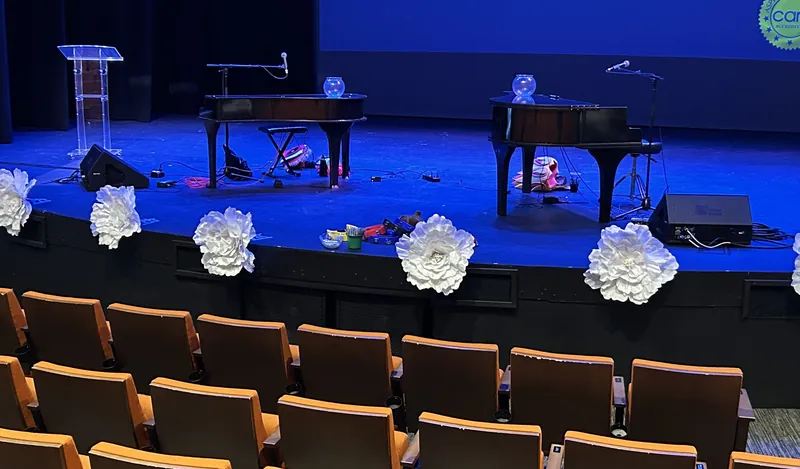
The auctioneer has finished the big-ticket package. Dinner plates are cleared. Now comes the moment that can either send guests toward the exit or turn the room into a giving machine. The right fundraising gala entertainment ideas keep energy high, give donors a reason to stay engaged, and make your cause the center of an unforgettable night.
Great gala entertainment is not filler between speeches. It is a strategic part of the guest experience. It should fit your audience, support the run of show, make participation feel easy, and leave room for the mission to land. Here are 12 options that can bring the room to life.
Fundraising Gala Entertainment Ideas That Build Energy
1. Interactive dueling pianos
A dueling-piano show is built for a gala crowd because guests are not stuck watching a set list chosen for them. They request the songs, sing along, cheer for their favorites, and become part of the show. One table wants classic rock, another wants Motown, and someone near the bar requests a current pop anthem. The show moves with the room.
That broad appeal matters when your donor list spans generations, departments, families, and community leaders. A strong dueling-piano act can shift from polished cocktail music to full-room singalongs after the program without changing vendors or resetting the energy. Modern Dueling Pianos brings the performers, premium piano setup, sound system, and crowd-driven song experience in one complete package.
2. A mission-connected live music moment
Sometimes the most powerful song of the night is one tied directly to why guests came. Invite a local vocalist, student ensemble, choir, or musician connected to your organization to perform one meaningful piece before the appeal.
Keep it focused. A four-minute performance can create more emotion than a 25-minute concert that delays dinner. Give the audience context first, then let the music make the feeling real. This works especially well for education, health, arts, veterans, and community-focused organizations.
3. A high-energy live band
A full band can make a post-program dance floor feel like a real celebration, especially for black-tie galas, milestone anniversaries, and donor appreciation events. The trade-off is flexibility. Some bands have narrow genres or fixed sets, so ask how they handle varied age groups and requests before booking.
The best choice is a band that knows when to play and when to stay out of the way. Your fund-a-need, keynote, and auction should never compete with a drum kit or a soundcheck.
4. A roaming close-up magician
Close-up magic solves a common gala challenge: guests arriving at different times and making small talk before dinner. A skilled magician can move through the cocktail reception, creating quick moments of surprise at tables and sponsor lounges without requiring everyone to stop what they are doing.
This is not the best standalone entertainment for a large ballroom after dinner. It shines as an arrival experience or a complement to a bigger featured act later in the evening.
5. A live art experience
A speed painter or live visual artist gives guests something to watch develop throughout the event. The finished piece can reveal your organization’s logo, honor a major supporter, or reflect the cause itself. At the end of the night, auction the original artwork or present it as a sponsor recognition piece.
This option is especially smart when you need entertainment that feels elegant and visually strong without overwhelming conversation. Make sure the artist has a clear sightline, proper lighting, and a plan for what happens to the final piece.
6. A surprise performance
A planned surprise can cut through the familiar gala rhythm. Think flash-mob-style singers, a brass ensemble appearing after dessert, dancers entering from multiple doors, or a celebrity impersonator delivering a quick, tailored bit.
Surprises work because guests are primed for a predictable evening. But they need rehearsal and timing. Coordinate every entrance with your venue, emcee, audiovisual team, and banquet captain. A surprise that interrupts service or blocks the auction screen loses its magic fast.
7. A themed casino lounge
A casino-style lounge gives guests an activity during cocktail hour or after the formal program. It is social, easy to understand, and useful for guests who do not want to dance. Use play money, chips tied to prize drawings, or a sponsor-funded experience rather than anything that creates legal concerns.
The key is to present it as entertainment, not a complicated fundraising mechanism. If guests need a long explanation before they can sit down at a table, the momentum disappears.
8. A game-show-style fundraiser
Turn sponsor trivia, mission facts, or pop-culture questions into a fast game show with a charismatic host. Guests can play by table, through a mobile platform, or by holding up answer cards. It is a great way to wake up the room between courses.
Keep questions light, quick, and inclusive. A gala game should make people laugh and learn something about the cause, not expose anyone for not knowing enough. Offer a small prize, a bragging-rights trophy, or a donor-funded bonus for the winning table.
9. A comedy host or improv team
A sharp host can make transitions feel effortless and keep the program from becoming too formal. Improv performers can also create clean, customized material from audience suggestions, event themes, and sponsor names.
This one depends heavily on the performer. Gala humor must be genuinely professional, audience-aware, and completely aligned with your organization’s values. Ask for examples of nonprofit or corporate work, clarify boundaries in advance, and never assume a comedian understands your crowd without a proper briefing.
10. A silent disco after-party
Silent discos are ideal for venues with noise restrictions or mixed music tastes. Guests wear wireless headphones and choose between channels, such as dance hits, throwbacks, or country favorites. The dance floor stays lively while the room itself remains surprisingly quiet.
It is a memorable late-night option, but it is less useful during the core fundraising program. Use it after the appeal and auction, when guests are ready to celebrate and your team wants to extend the evening without pushing the venue’s sound limits.
11. A photo experience with purpose
A photo booth is familiar. A photo experience that supports the mission is stronger. Create a branded backdrop that reflects the impact of donations, feature a playful prop tied to the event theme, or allow guests to record a short message of support for the organization.
Place it where it will not create a traffic jam near registration or the bar. Better yet, have a sponsor underwrite it so the activation adds brand visibility without taking dollars from the fundraising budget.
12. A donor recognition reveal
Entertainment can also come from celebrating the people who make the mission possible. Build anticipation around a surprise matching-gift announcement, a heartfelt video followed by a live reveal, or a recognition moment for a longtime volunteer, honoree, or community partner.
The presentation should feel earned, not self-congratulatory. Keep the spotlight on impact: what the support made possible, who benefited, and what the next level of giving can accomplish. When handled well, recognition becomes an emotional launchpad for the live appeal.
How to Choose Gala Entertainment That Helps You Raise More
Start with the behavior you want from guests. If you need people mingling during a reception, choose roaming performers or a photo activation. If you need a packed dance floor after dinner, book an interactive live act. If your priority is emotional connection before a fund-a-need, choose a mission-centered performance that supports the story rather than distracting from it.
Then look at the practical realities. Ask whether the entertainment includes sound, microphones, lighting, setup, and an experienced point person. Confirm load-in timing, stage space, power needs, breaks, dress code, and how the act handles announcements. A great performer can still become a frustrating vendor if these details are vague.
Budget matters, but value matters more. The lowest-cost option may entertain for 30 minutes and leave the room flat afterward. A higher-impact experience can help guests stay longer, feel more connected, bid more confidently, and remember your event when the next invitation arrives.
Most of all, choose entertainment that makes people feel included. Your donors should not have to know the latest songs, be confident dancers, or belong to a particular social circle to enjoy themselves. When the room is laughing, singing, participating, and celebrating together, generosity feels like the natural next move.